
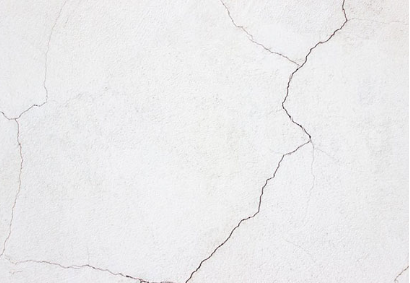
Fine crazing cracks on walls, whether in construction sites or home renovations, are always a headache. Scrim acts as a flexible protective layer inside the plaster to reduce the risk of wall cracking.
As mortar and gypsum cure and dry, they create shrinkage stress, which easily forms fine cracks. Embedded inside the mortar, the scrim disperses stress and restrains crack propagation, preventing small cracks from expanding further.
Full scrim laying is not required everywhere. Prioritize high-risk areas: exterior wall insulation, joints between new and old walls, lightweight partition walls, and areas around door and window openings. These sections have large deformation differences and concentrated stress, making them more prone to cracking.
Lay the scrim naturally and press it gently into mortar. Do not pull it tight. Excessive tension builds up internal stress, which may trigger cracks as temperature and humidity change. Acceptance checks require a smooth surface without wrinkles or exposed mesh.
Select the right areas and follow proper laying practices, so the scrim can deliver its anti-cracking performance and minimize fine wall cracks.